
Interior Painting
Interior Painting for Charlotte Homes
Our interior painting in Charlotte NC covers walls, ceilings, trim, doors and baseboard, patched and caulked before a brush touches them. Whole house or one room, you get floors and furniture covered and a free written estimate.
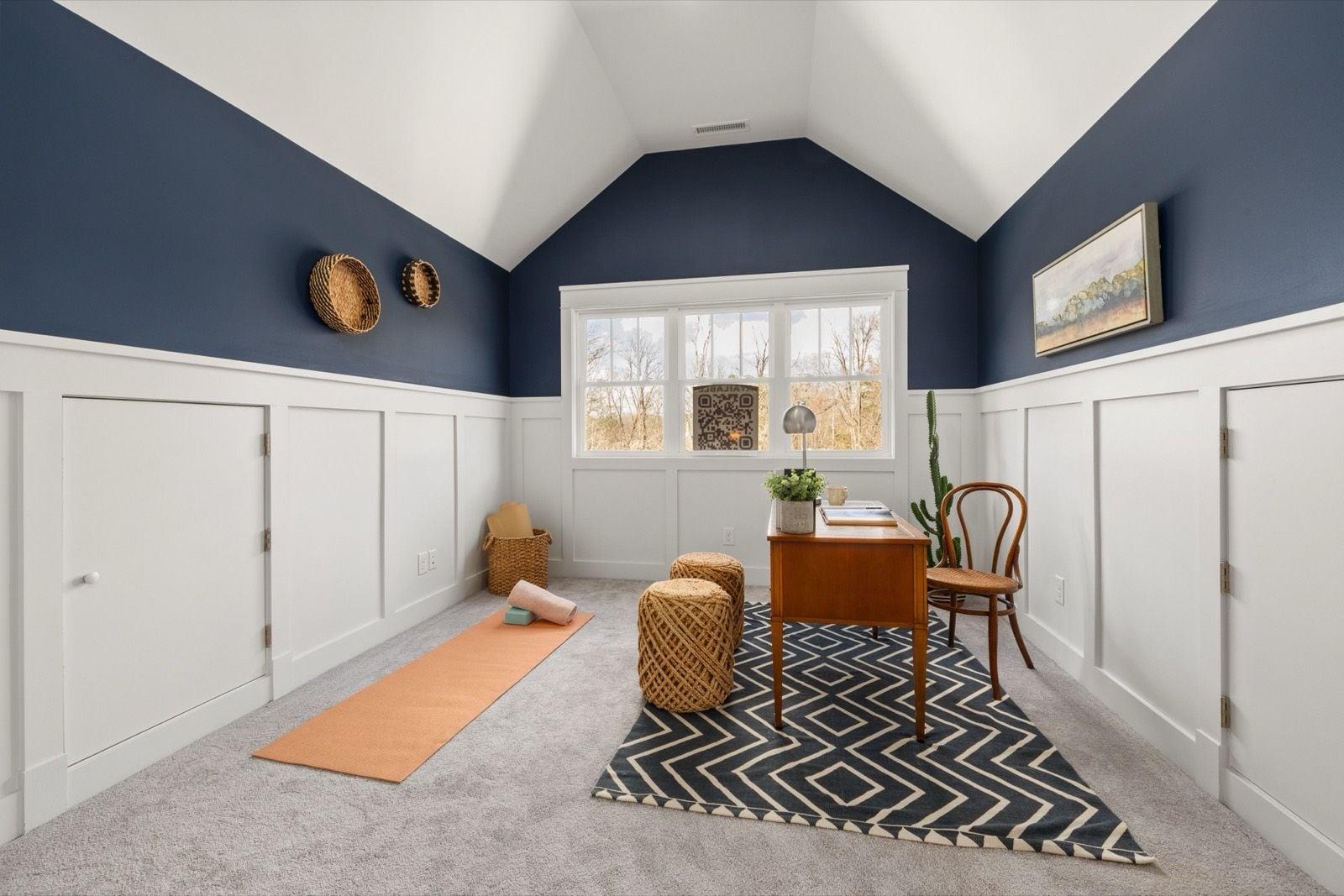
Residential & Commercial Painting in Charlotte, NC
What Interior Painting includes
Interior work here means the whole room, not just the walls. Prep sits inside the scope rather than beside it.
Walls and ceilings rolled in two full coats, cut in by hand
Trim, doors and baseboard coated in a water-based enamel that wipes clean
Crown molding and window casings brushed to a straight, sharp line
Nail pops, dents and drywall cracks patched, sanded and spot-primed
Caulk run at trim joints and open gaps so lines stay tight
Whole-home repaints sequenced room by room so you keep living there
Single-room repaints and accent walls, including closets and stairwell walls
Floors, furniture and fixtures covered, then hardware reinstalled and everything put back
How the work goes
How Interior Painting Works
The sequence is the same on a single bedroom and on a whole house.
Walkthrough and scope
We walk every room with you, measure, and note ceilings, trim and any repairs. You get a written scope and a price before we start, so nothing is assumed later.
Protect the room
Furniture moves to the center or out, floors get drop cloths, and vents and hardware get masked. Paint dust and spatter travel further than people expect, so covering comes before any sanding.
Patch and caulk
We fill nail pops, dents and hairline cracks, then sand them flush. Trim joints and gaps at baseboard get fresh caulk, because paint bridges an open joint for a season and then splits.
Spot-prime repairs
Patched compound and bare drywall drink paint differently than the wall around them, so every repair gets primer. Water stains and marker get a stain-blocking primer, or they ghost back through the finish.
Coat in order
Ceilings go first, then walls, then trim and doors last. Two full coats on each surface, because one coat over a color change leaves the old shade reading through in raking light.
Walkthrough and cleanup
We pull masking, reinstall plates and hardware, put furniture back, and walk the rooms with you under the lights you actually use. Anything you flag gets touched up before we load out.
Materials we use
Interior walls and ceilings get a water-based acrylic latex. It levels out roller texture, holds its color under window light, and stands up to wiping without burnishing to a shiny spot. Trim, doors and baseboard get a water-based enamel instead. Enamel dries to a harder film than wall paint, which is what hands, shoes, vacuums and pet traffic hit every day.
Primer is chosen by the problem in front of it. Patching compound and bare drywall get a drywall primer so the repair does not flash as a dull patch. Water stains, smoke, crayon and old marker get a stain-blocking primer, because those bleed through waterborne topcoats. Bare or knotty wood on trim gets a stain-blocking primer too, to stop tannin from staining the enamel yellow. Gaps get elastomeric caulk, which stays flexible as framing moves.
Sheen is picked per surface, not per house. Ceilings take flat, so the roller pattern and any old repair disappear. Living rooms and bedrooms usually take eggshell, which cleans better than flat and still hides wall imperfections. Kitchens, baths, hallways and kids' rooms move up to satin for moisture and scrubbing. Trim and doors take semi-gloss so the line against the wall reads sharp. Two full coats is what buys even color and hides what is underneath.
What affects the price
Every project is different, so we quote after a walkthrough rather than guessing over the phone. Here's what generally moves the price and schedule:
Square footage and ceiling height, since tall walls need staging and more cut-in time
How much patching the walls and ceilings need before any paint goes on
A color change, which can push walls and trim to a third coat
Number of colors, since each one adds cut-in lines and a separate setup
Trim volume: deep profiles, crown molding and panel doors are brush work, not rolling
Whether the house is occupied and furnished, since moving and covering is labor
Recent Work
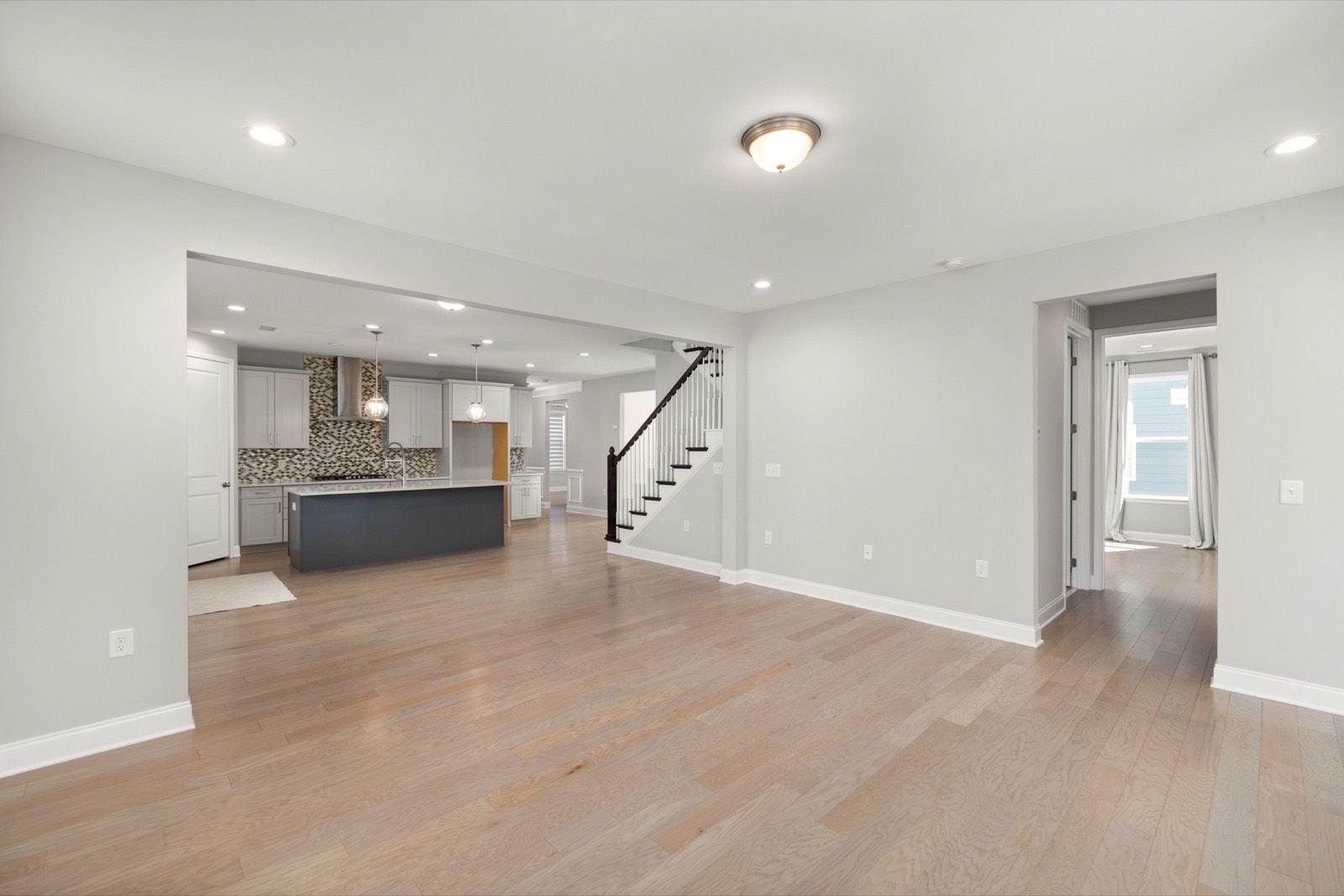
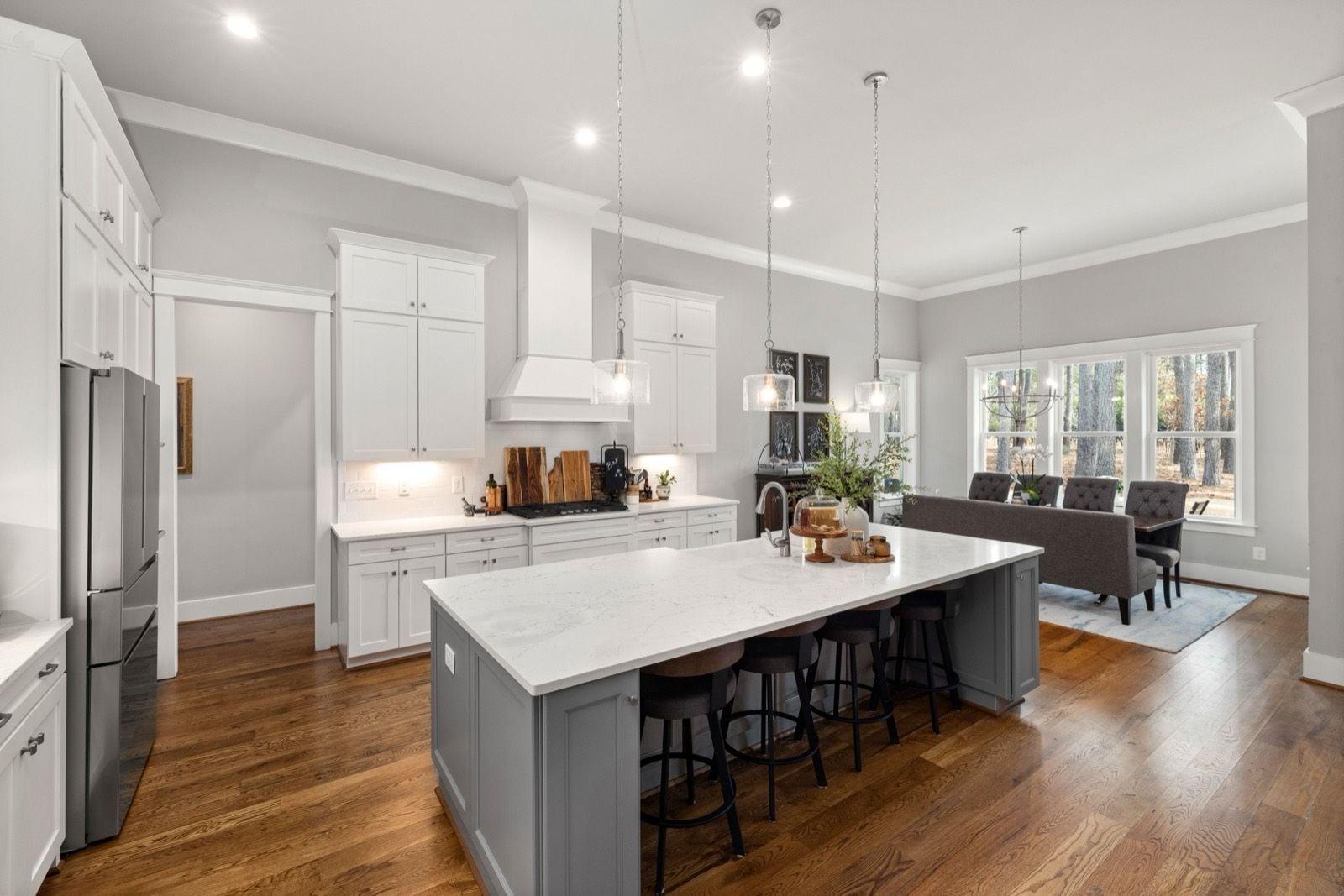
Interior Painting projects from around Charlotte, NC
Service Area
Serving Charlotte, NC and the surrounding area
We're based in Charlotte, NC and take on interior painting projects throughout Ballantyne, Charlotte, Concord, Gastonia, Huntersville, Indian Trail, Lake Norman, Matthews, Mint Hill, Monroe, Mooresville, Pineville, Rock Hill, SouthPark, Statesville, Waxhaw, and Weddington. Not sure if you're in range? Reach out and ask.
FAQ
Common questions about interior painting
Start Your Project