
Commercial Painting
Commercial Painting That Works Around Your Hours
Commercial painting in Charlotte NC for offices, retail interiors, warehouse block walls and building exteriors. You get a written scope of work, night or weekend phasing, protected floors and equipment, and a free written estimate before anything starts.
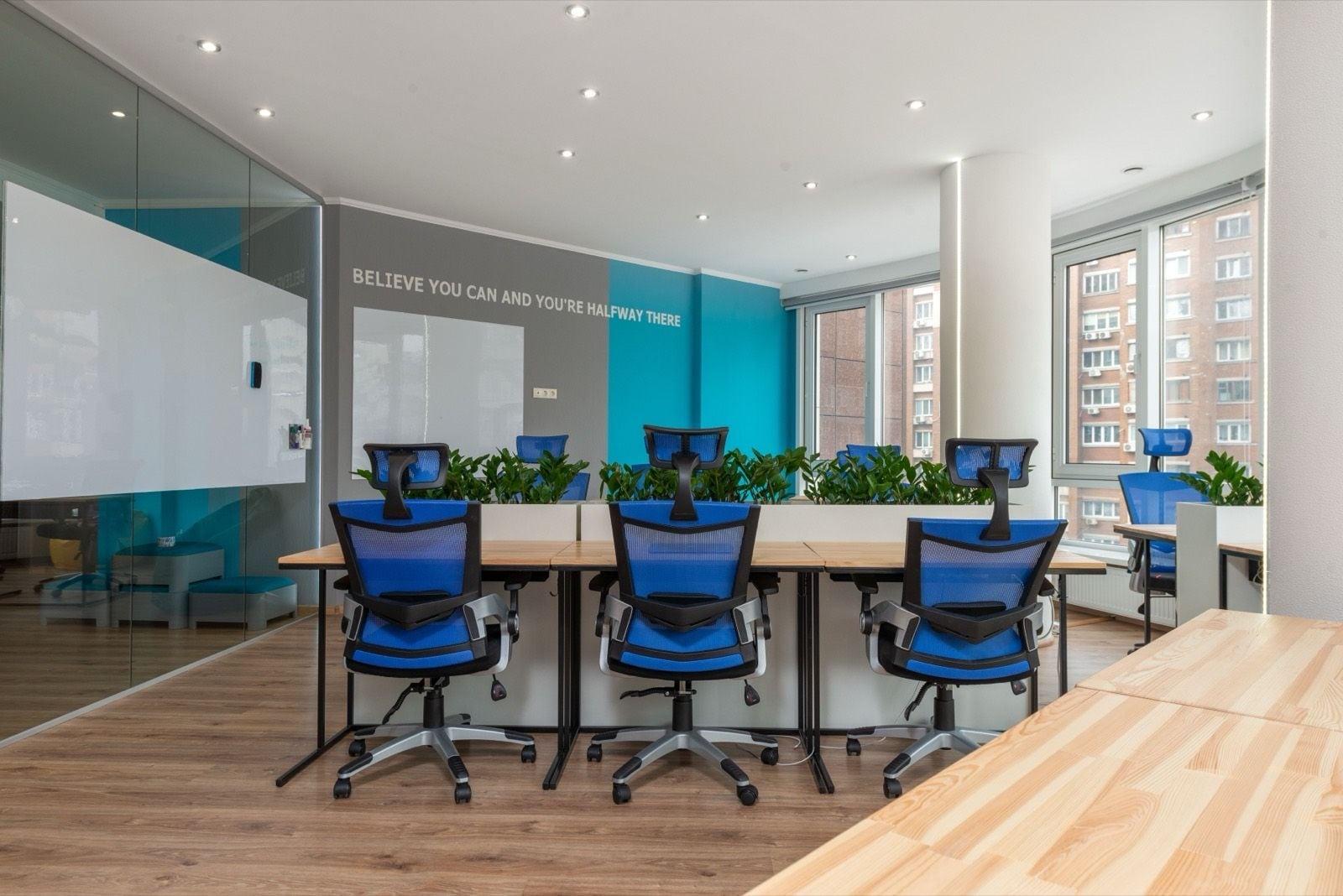
Residential & Commercial Painting in Charlotte, NC
What Commercial Painting includes
Commercial work is priced and sequenced by area, not by room. Here is the scope we cover across office, retail and industrial buildings in the Charlotte metro.
Offices, conference rooms and open work areas, walls and ceilings
Lobbies and entry vestibules, including high walls needing lift access
Corridors, stairwells and restrooms in scrubbable, moisture-tolerant finishes
Retail sales floors, fitting rooms, checkout walls and back-of-house
Warehouse block walls, high-bay ceilings, mezzanines and structural steel
Safety striping, aisle lines and equipment markings on concrete floors
Building exteriors: masonry, metal panel, stucco, canopies and doors
Surface prep: degreasing, patching, block filler and spot-priming
How the work goes
How Commercial Painting Works
Every job runs the same sequence, adjusted to whether the space is occupied, vacant or still under construction.
Walkthrough and written scope
We walk the building with you or the property manager, measure each area, note substrate and existing sheen, and put the scope in writing so nothing is assumed about which surfaces are included.
Schedule and access plan
We set the work windows, confirm keys, alarm codes, freight elevator and dock access, and agree on quiet hours. Occupied buildings get phased areas so tenants keep using the space.
Protection and containment
Floors, fixtures, racking and equipment get covered before any coating opens. Masking uses film, paper and tape because each does a different job: shielding, absorbing overspray, and holding a clean edge.
Cleaning and repairs
We degrease kitchen and shop walls, wash dust off block, patch drywall damage and nail pops, then caulk open joints. Coatings bond to a sound, clean surface, not to grease film or loose dust.
Priming and two coats
Bare block gets masonry block filler, bare steel gets a direct-to-metal primer, and stained drywall gets a stain-blocking primer. Finish goes on in two full coats for even color and washability.
Close-out and punch list
We clean and reopen the area at the end of each shift so the building is usable the next morning. At completion we walk the punch list with you and correct items before invoicing.
Materials we use
Commercial surfaces get touched constantly, so the coating category matters more than the color. Office and retail walls take a scrubbable acrylic latex that survives cart traffic, shoulder rub along corridors and repeated cleaning without burnishing to a shine. Doors, frames and handrails get a water-based enamel that dries hard enough to resist scuffing and can be wiped down. In occupied offices we favor low-VOC products so the space can be handed back the same night without lingering odor.
Primers do the work you never see. Bare concrete block drinks paint, so it gets a high-build masonry block filler to bridge the pinholes and give the finish a flat surface to sit on. Bare or rusted steel columns, bollards and dock frames get a direct-to-metal coating to stop the oxidation cycle. Water stains, marker and smoke get a stain-blocking primer, because those bleed straight through latex and reappear as ghost marks days later. Open joints get elastomeric caulk so they do not crack back open with building movement.
Sheen is chosen per surface and per traffic. Ceilings stay flat to hide seams and diffuse light. Office walls take eggshell for a wipeable surface that still reads soft. Corridors, stairwells and restrooms move up to satin so cleaning crews can scrub without burnishing the film. Trim, doors and frames land at semi-gloss for hardness at contact points. Two full coats matter here for a practical reason: one coat leaves the old color and the patches showing through, and it wears off in high-touch areas years early.
What affects the price
Every project is different, so we quote after a walkthrough rather than guessing over the phone. Here's what generally moves the price and schedule:
Total square footage of wall, ceiling and block surface being coated
Ceiling height and whether lifts or scaffold are needed for access
After-hours, overnight or weekend windows versus normal daytime work
Occupancy: furniture moves, phased areas and nightly protection setup
Surface condition and how much patching, degreasing or rust prep is required
Number of colors and cut-in complexity across tenant spaces
Recent Work
Commercial Painting projects from around Charlotte, NC
Service Area
Serving Charlotte, NC and the surrounding area
We're based in Charlotte, NC and take on commercial painting projects throughout Ballantyne, Charlotte, Concord, Gastonia, Huntersville, Indian Trail, Lake Norman, Matthews, Mint Hill, Monroe, Mooresville, Pineville, Rock Hill, SouthPark, Statesville, Waxhaw, and Weddington. Not sure if you're in range? Reach out and ask.
FAQ
Common questions about commercial painting
Start Your Project