
Cabinet Painting
Cabinet Painting for Charlotte Kitchens
Cabinet painting in Charlotte, NC means your doors, drawer fronts, face frames and boxes get degreased, sanded, primed and sprayed with water-based enamel. You get a hard finish, no brush marks, and a free written estimate first.
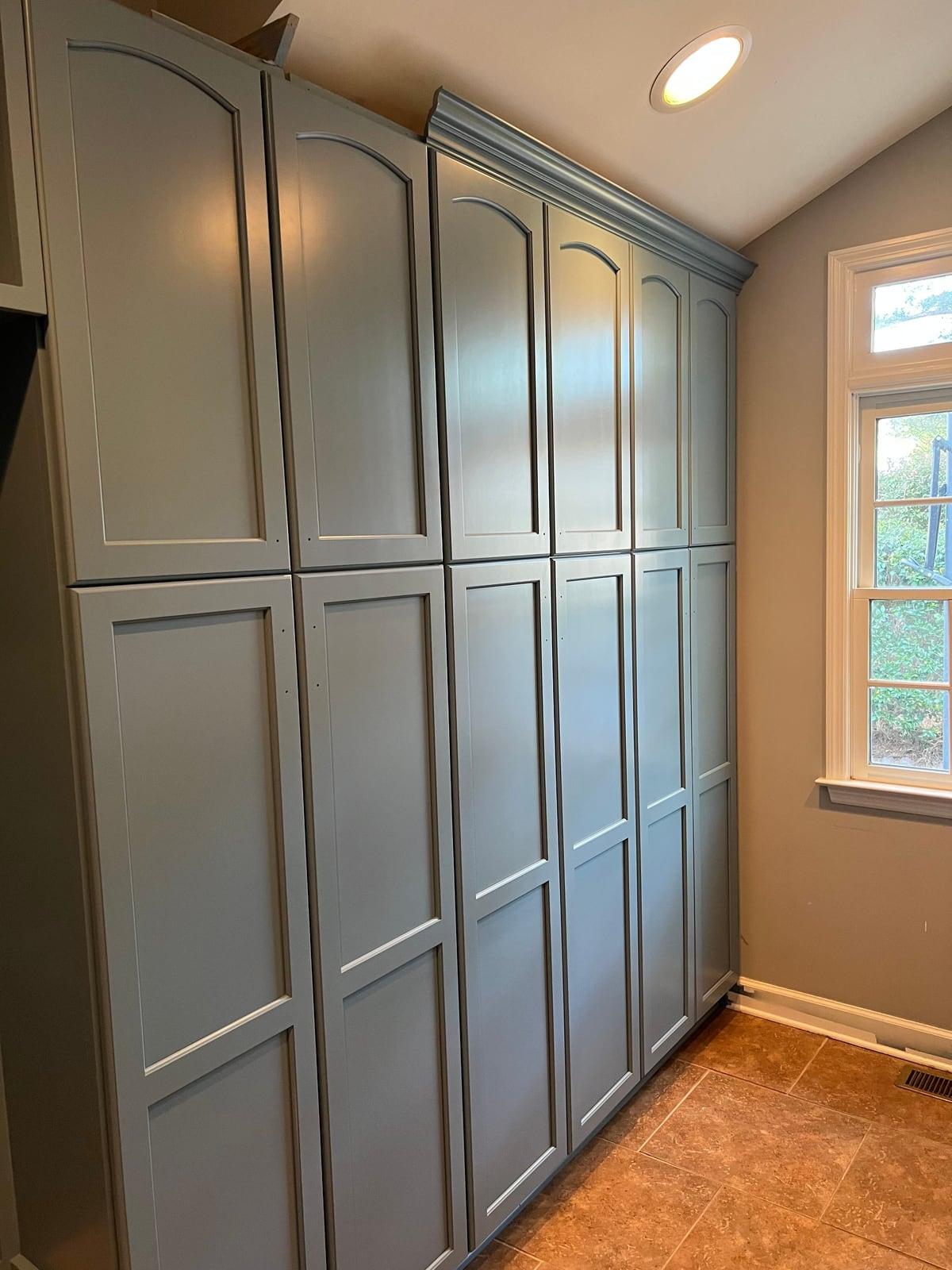
Residential & Commercial Painting in Charlotte, NC
What Cabinet Painting includes
Cabinets are a millwork job, not a wall job. Every door, drawer front, face frame and box gets handled on its own, in the order that lets the enamel bond and stay hard.
Kitchen cabinet doors and drawer fronts sprayed flat on racks
Face frames, boxes and interior edges finished in place
Bathroom vanities, linen cabinets and built-in bookcases
Degreasing every door, frame and drawer front before sanding
Scuff sanding and deglossing so primer can bite the old finish
Bonding primer on oak, maple, laminate and thermofoil
Hardware, hinges and pulls removed, labeled and reinstalled
Grain filling on open-grain oak for a smoother painted face
How the work goes
How Cabinet Painting Works
Cabinets come apart before they get painted, and the order matters more here than on any other painting job.
Walkthrough and written scope
We open every door, count boxes and drawer fronts, check the finish and the substrate, then put the scope in writing so nothing about the kitchen is assumed.
Doors off and labeled
Doors, drawer fronts and hardware come off and get labeled to their opening. Spraying flat on racks lays the enamel out level, which is why we do not paint doors hanging.
Degrease and sand
Kitchen cabinets hold cooking grease, heaviest around the range and over the sink. We degrease first, then scuff sand every face, because primer bonds to a clean, dulled finish and nothing else.
Bonding primer
We spray a bonding primer made for slick factory finishes, laminate and thermofoil. On stained oak or knotty pine it also blocks tannin from bleeding yellow through the topcoat.
Two sprayed coats
Two sprayed coats of water-based cabinet enamel go on, sanded lightly between coats. Spraying leaves no brush marks, and two coats hide the old color instead of letting it ghost through.
Reinstall and cure
Doors and hardware go back on their labeled openings and we clean the kitchen down. Enamel keeps hardening for days, so load shelves light at first and avoid stacking dishes against fresh faces.
Materials we use
Cabinets get a water-based enamel, not wall paint. Wall paint stays soft and prints under a fingertip; a cabinet enamel cures to a hard film that takes fingernails, dish towels and cleaning spray. Water-based enamels also keep their color instead of ambering the way old oil finishes did on white kitchens. We spray them so the film flows out flat, without brush texture on a door you touch every day.
Primer choice follows the substrate. Slick factory finishes, laminate and thermofoil need a bonding primer, because enamel over an unsanded, unprimed sheen peels at the door edges where hands land. Stained oak, pine and older cherry get a stain-blocking primer so tannin does not bleed a yellow shadow through white enamel. Dents, chipped edges and old hardware holes get filled with a hard wood filler and sanded flush, since enamel shows every dip it crosses.
Sheen on cabinets usually lands at satin. Satin wipes clean around a range and holds up to a wet rag, while flat finishes hold grease and grabbing marks. Semi-gloss reads brighter and cleans a little easier, but it shows waves in an old door face. Two full coats do the real work: even color across doors and boxes, the old stain fully covered, and a surface you can wash instead of touch up.
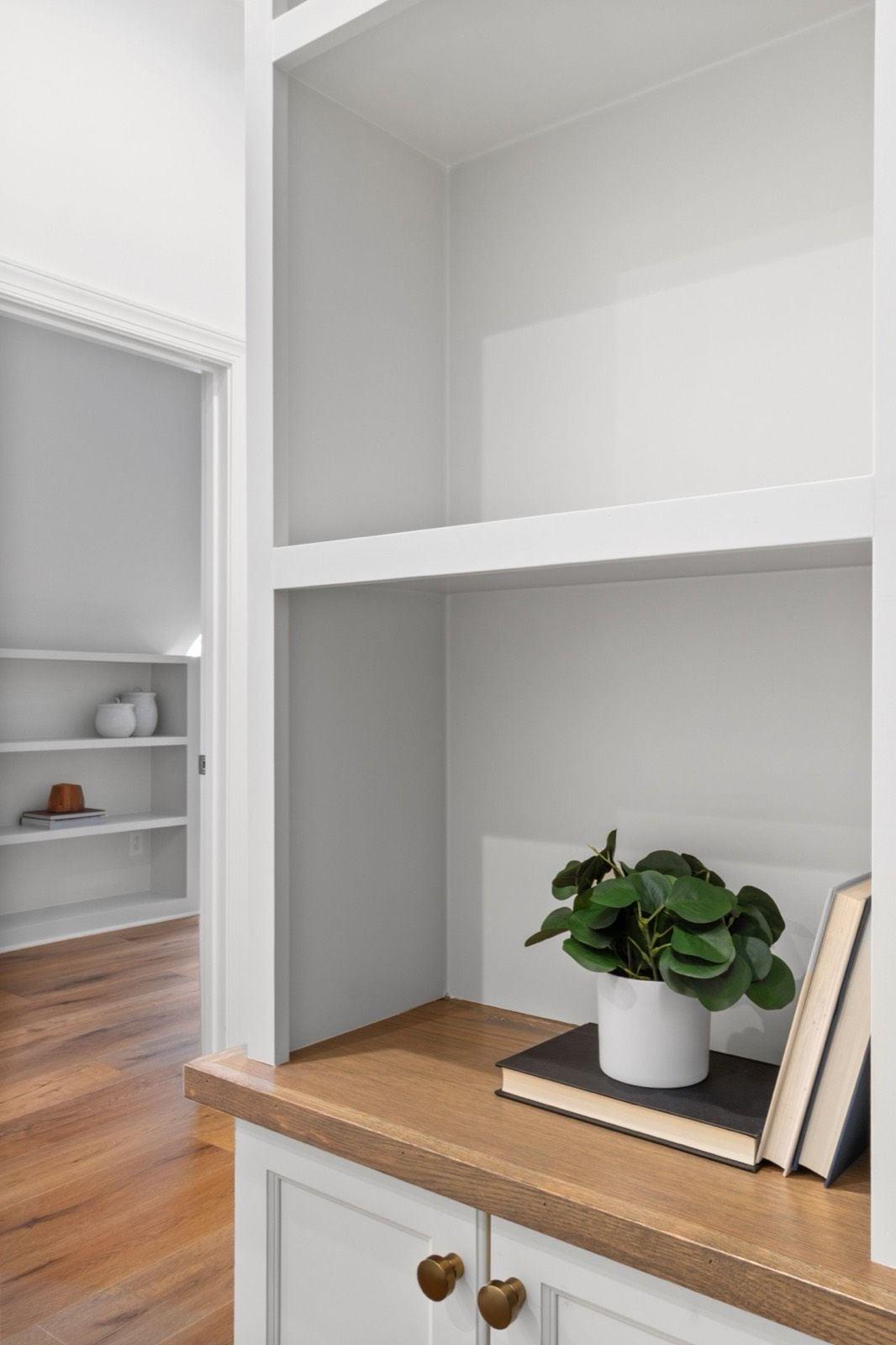
What affects the price
Every project is different, so we quote after a walkthrough rather than guessing over the phone. Here's what generally moves the price and schedule:
Door and drawer front count, which drives sanding, priming and spray time
Substrate: sealed maple sprays fast, open-grain oak needs grain filling first
Whether boxes and interiors are included or only the visible faces
A color change from dark stain to white, which can need an extra coat
Condition: loose joints, chipped edges and old hardware holes needing repair
Kitchen layout and access, including islands, tall pantry units and crown trim
Recent Work
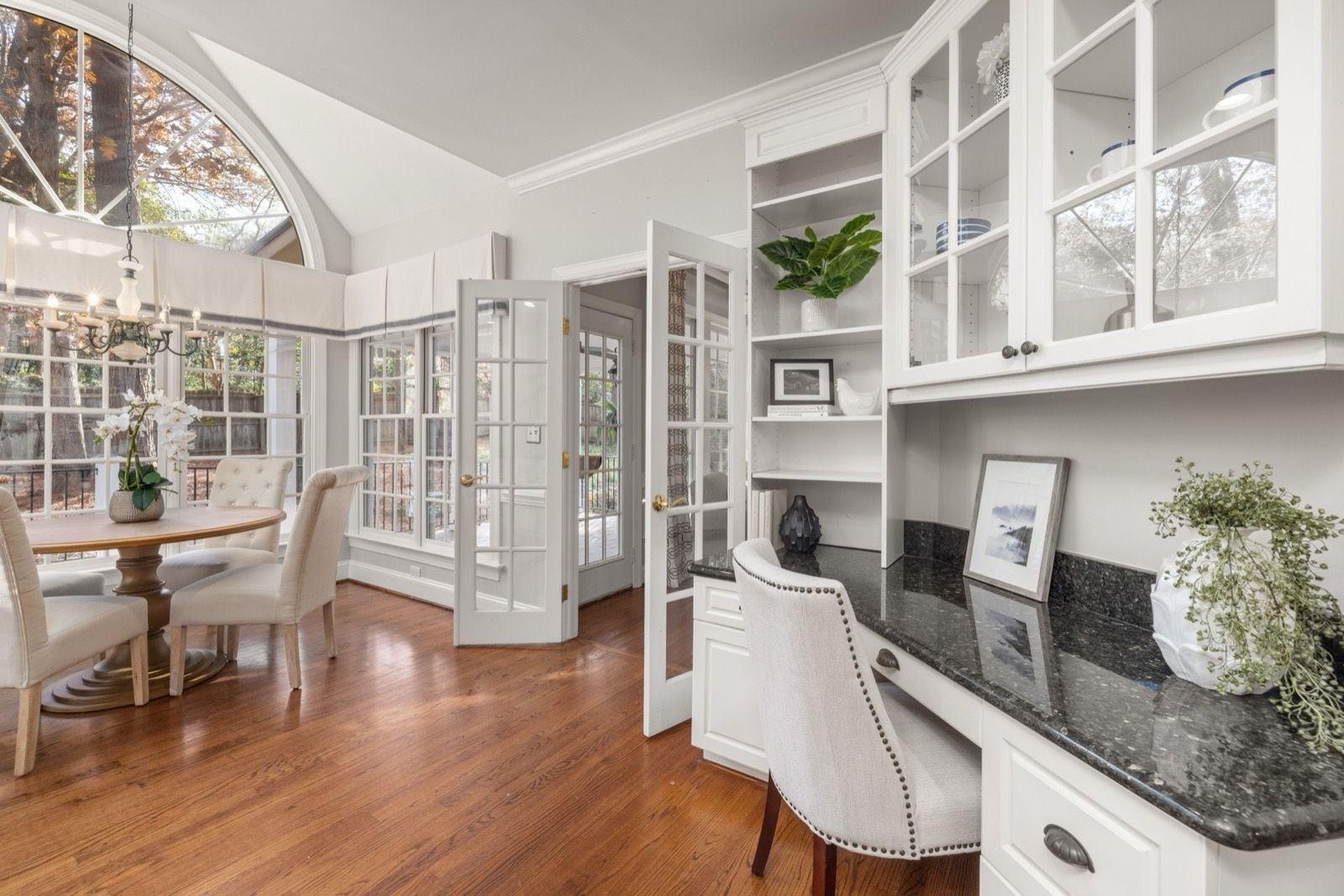
Cabinet Painting projects from around Charlotte, NC
Service Area
Serving Charlotte, NC and the surrounding area
We're based in Charlotte, NC and take on cabinet painting projects throughout Ballantyne, Charlotte, Concord, Gastonia, Huntersville, Indian Trail, Lake Norman, Matthews, Mint Hill, Monroe, Mooresville, Pineville, Rock Hill, SouthPark, Statesville, Waxhaw, and Weddington. Not sure if you're in range? Reach out and ask.
FAQ
Common questions about cabinet painting
Start Your Project