
Exterior Painting
Exterior Painting Built for Charlotte Weather
Exterior painting in Charlotte, NC covers siding, trim, fascia, soffit, shutters, doors and garage doors. We wash, make repairs and prime bare wood before any finish coat goes on, then apply two full coats. Every job starts with a free written estimate.
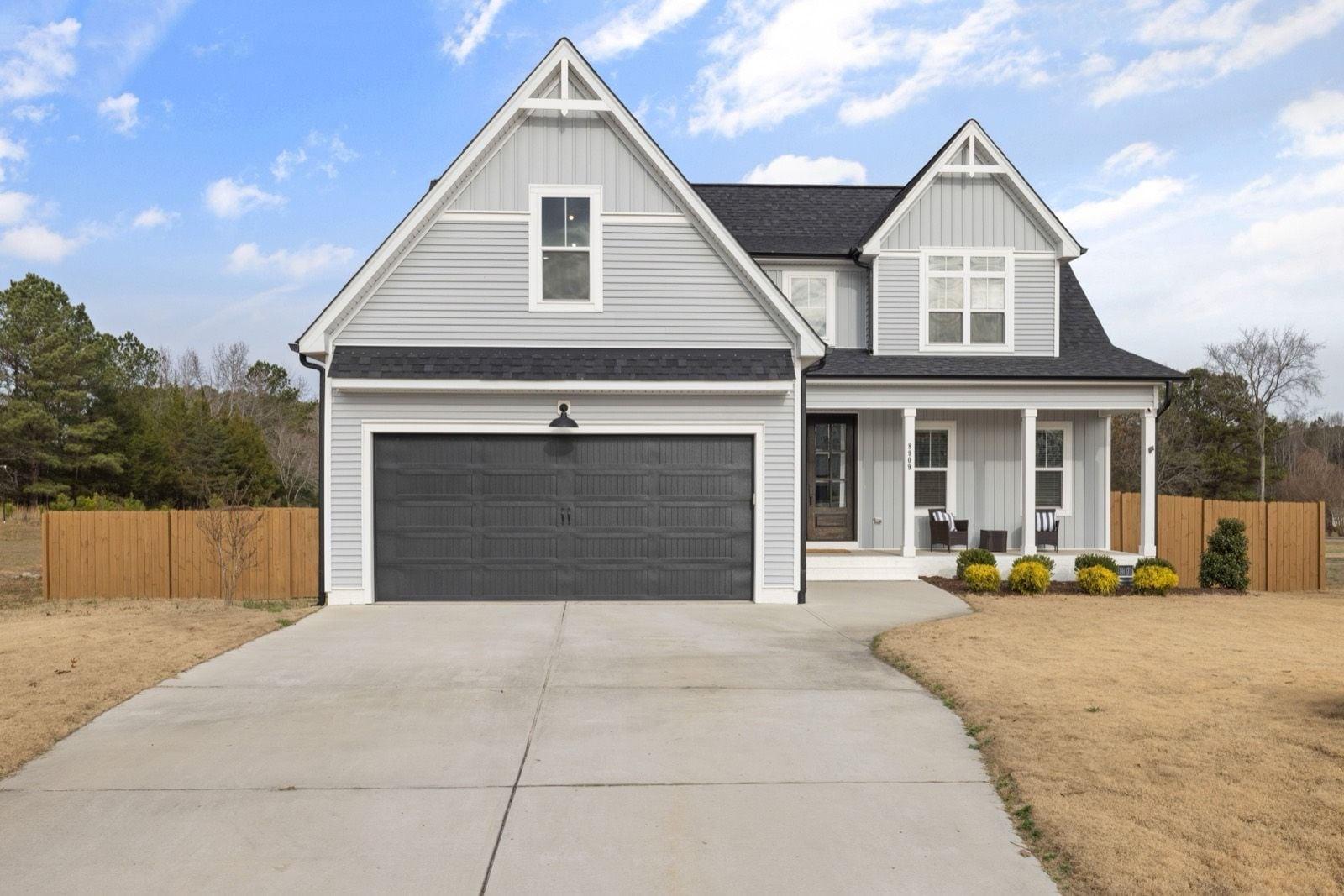
Residential & Commercial Painting in Charlotte, NC
What Exterior Painting includes
Exterior work covers the whole shell of the house, not just the walls you see from the street. Every surface below is scoped, prepped and coated as part of the job.
Vinyl, fiber cement, wood and hardboard siding coated to full hide
Brick and stucco painted with masonry primer after crack repair
Fascia, soffit and frieze boards scraped, primed and recoated
Window casings, exterior trim and porch columns brushed by hand
Front doors, shutters and garage doors finished in exterior enamel
Rotted hardboard, fascia and trim replaced before any paint goes on
Pre-paint wash, scraping, caulking and spot-priming of bare wood
Second-story siding, gables and dormers reached with ladders and staging
How the work goes
How Exterior Painting Works
The sequence is fixed, and every step before the paint exists to make the paint last.
Walkthrough and scope
We walk every elevation with you, check siding, trim and caulk joints up close, and write the scope down. You see which boards need replacing before any price or start date is set.
House wash
We soft wash the siding with a mildewcide at low pressure, then let the substrate dry. Mildew grows back through fresh paint if it is coated over instead of killed and rinsed off.
Scrape and repair
Failing film gets scraped back to a sound edge and feather-sanded flat. Swollen hardboard, rotted fascia and soft trim get replaced, because paint cannot hold on wood that is already breaking down.
Caulk and mask
We caulk open joints at trim, corners and siding butt ends to keep water out of the wall. Windows, roofing and plantings get covered so drips land on plastic, not on your landscaping.
Spot-prime bare wood
Every bare spot gets a primer matched to it: stain-blocking on knots and cedar that bleeds tannin, masonry primer on patched stucco. Primer is what gives the topcoat something to bond to.
Two coats and close-out
We follow the shade around the house and finish each elevation the same day, then put on a second full coat. A final walkthrough with you closes out touch-ups before the masking comes off.
Materials we use
Exterior walls get 100% acrylic latex. Acrylic stays flexible when siding moves with heat and cold, and it holds color under the UV load this region puts on south and west walls. On brick and stucco we use a breathable masonry coating over masonry primer so moisture in the wall can still escape. Vinyl gets a coating rated for vinyl, in a shade that will not push panel temperature past what the panel tolerates.
Primers are chosen per failure. Bare wood and knots get a stain-blocking primer so tannin does not bleed a brown ring through the finish. Chalking older siding gets a bonding primer after the wash, because new paint slides off chalk. Open joints get elastomeric caulk that stretches with seasonal movement instead of splitting the first winter. Rot and holes are cut out and replaced or filled with exterior patching compound, then sanded flush before primer.
Sheen follows the surface. Siding takes a flat or satin finish that hides waviness and lap lines on a long wall. Trim, fascia, shutters and doors take a satin or semi-gloss exterior enamel, which sheds dirt and takes a wipe-down when red clay splashes the bottom of a column. Two full coats are standard: one coat leaves the old color reading through on a change, and film thickness is what buys years on the sunniest elevation.
What affects the price
Every project is different, so we quote after a walkthrough rather than guessing over the phone. Here's what generally moves the price and schedule:
Repair volume: how many feet of rotted hardboard, fascia and trim need replacing
Story count and access: gables, dormers and steep grade slow ladder and staging work
Condition of the existing film: light chalking versus wall-to-wall scraping
Substrate: bare brick, stucco and raw wood drink more primer and paint
Color change: going light over dark adds coverage work beyond two standard coats
Number of colors: separate body, trim, shutter and door colors add cut-in time
Recent Work
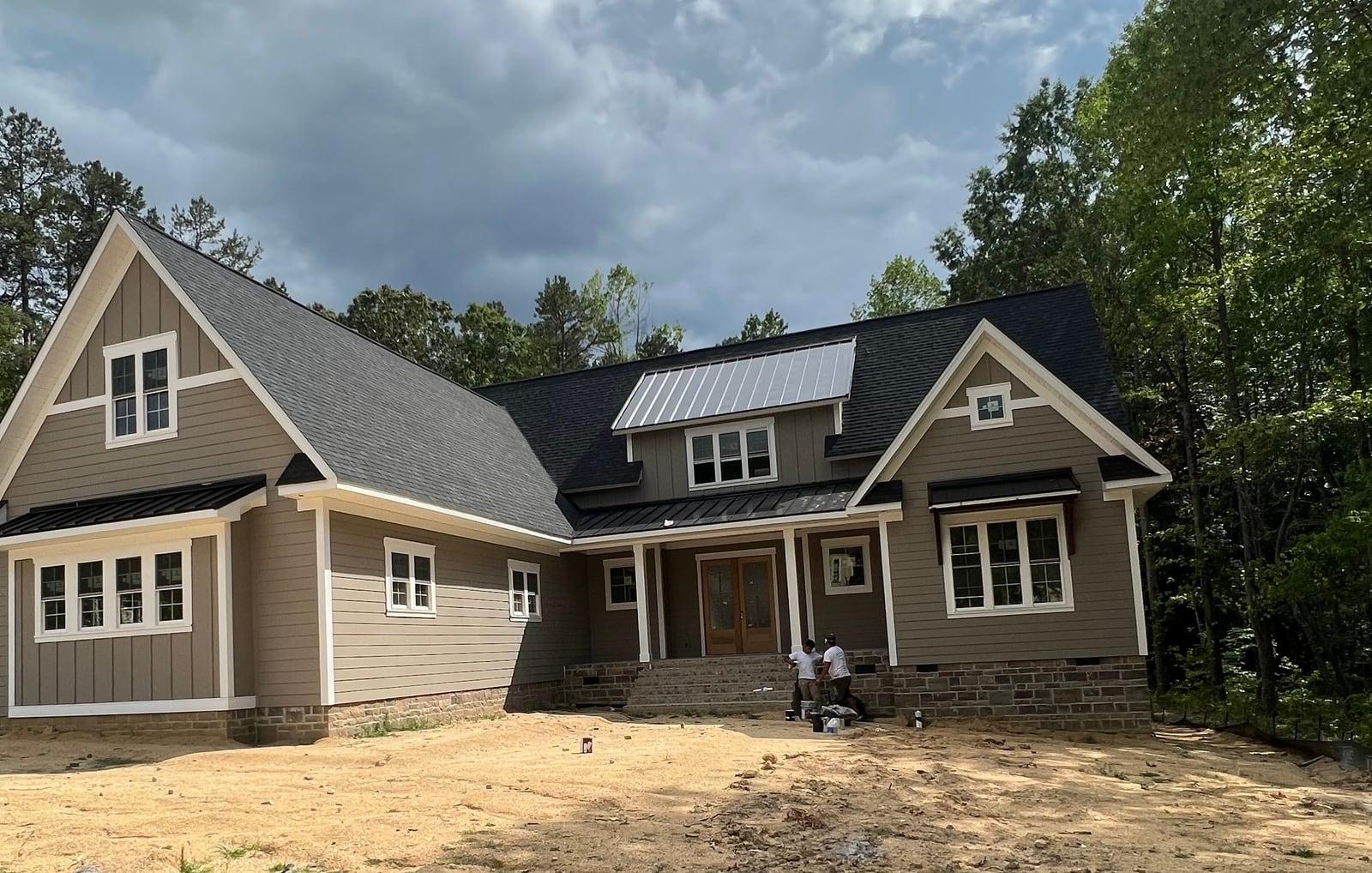
Exterior Painting projects from around Charlotte, NC
Service Area
Serving Charlotte, NC and the surrounding area
We're based in Charlotte, NC and take on exterior painting projects throughout Ballantyne, Charlotte, Concord, Gastonia, Huntersville, Indian Trail, Lake Norman, Matthews, Mint Hill, Monroe, Mooresville, Pineville, Rock Hill, SouthPark, Statesville, Waxhaw, and Weddington. Not sure if you're in range? Reach out and ask.
FAQ
Common questions about exterior painting
Start Your Project